
Document improvements
Capital work and routine maintenance are different in the property records. Save invoices and dates so the cost history can be reconstructed when an asset is sold.
Selling an asset is a financial decision and a tax event. We help work through the reporting and the available rules before and after a sale.
Discuss capital gains tax planning ↗
Selling an asset is a financial decision and a tax event. We help work through the reporting and the available rules before and after a sale.

The facts, dates and records behind a gain matter. Early advice gives you more room to understand the choices and documentation.
Tell us what you need ↗A gain depends on more than the sale price. Acquisition costs, improvements, ownership history and changes in property use can affect the tax calculation.
Principal residence claims and the lifetime capital gains exemption for qualifying small business shares require the underlying facts to support them. Review the position before a sale if possible.

Capital work and routine maintenance are different in the property records. Save invoices and dates so the cost history can be reconstructed when an asset is sold.
A transfer, change in use or period of shared ownership may affect the reporting. Bring the full timeline, even if the sale itself was simple.
A sale can interact with other income, instalments and the year’s tax position. We examine the gain alongside the rest of the return, rather than treating the transaction as a number to enter on its own.
Purchase records, improvements, dates of use and ownership details can all matter when a property or investment is sold. A principal residence or qualifying small business share adds further questions.
The earlier we review the evidence, the easier it is to understand the reporting and possible exemptions.

Principal residence claims and the lifetime capital gains exemption for qualifying small business shares require the underlying facts to support them. Review the position before a sale if possible.
The facts, dates and records behind a gain matter. Early advice gives you more room to understand the choices and documentation.
A Canadian return can be straightforward until a move, an investment, a rental property or a second country enters the picture. We prepare T1 returns with the full situation in view.
Independent work brings its own tax questions. We put the income and expenses into a return that makes sense and helps you plan for the next instalment.
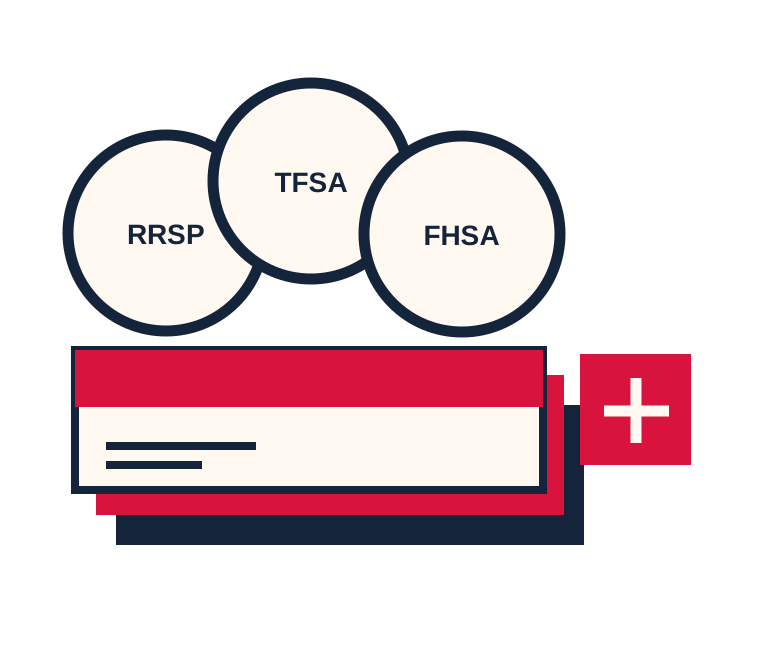
Contribution room is only part of the decision. The timing and purpose of each account matter just as much.
A clear next step